‘You Can See Everything’ pushes documentary boundaries with a meta‑manipulative take on Elizabeth Holmes
Nathan Fielder and Lance Oppenheim present a singular nonfiction work titled You Can See Everything, a film that examines the rise and fall of Elizabeth Holmes through a genre‑bending lens. Released this year, the documentary blends investigative reporting with self‑reflexive storytelling, inviting viewers to question the very act of watching.
The collaboration between Fielder, known for his deadpan comedy, and Oppenheim, an emerging documentarian, results in a meta‑manipulative structure that feels more like a psychological duet than a traditional biography. By interweaving archival footage, staged reenactments, and the directors’ own commentary, the film creates a folie à deux that mirrors the public’s fascination with Holmes and the media circus surrounding her trial.
Critics who have screened the piece describe it as a glimpse of where nonfiction cinema could evolve. Rather than presenting a linear narrative, You Can See Everything layers perspectives, allowing the audience to experience the ambiguity that defined Holmes' public persona. The directors deliberately avoid a tidy resolution, instead leaving viewers to navigate the murky waters of truth and illusion.
While the subject matter remains the infamous biotech founder, the film’s ambition lies beyond recounting facts. It challenges the conventions of documentary form, suggesting that future works might adopt similar self‑aware tactics to engage a skeptical audience. For coastal Karnataka readers interested in cinema that pushes boundaries, this work offers both a compelling story and a bold statement about the possibilities of nonfiction storytelling.
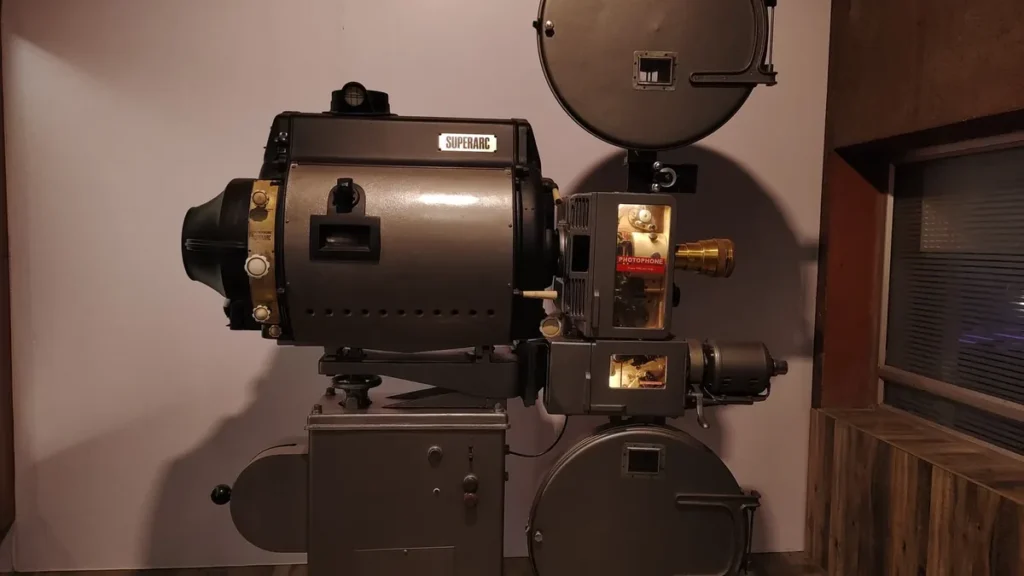
Image for illustration purposes only
📰 Source: The Hindu Entertainment