

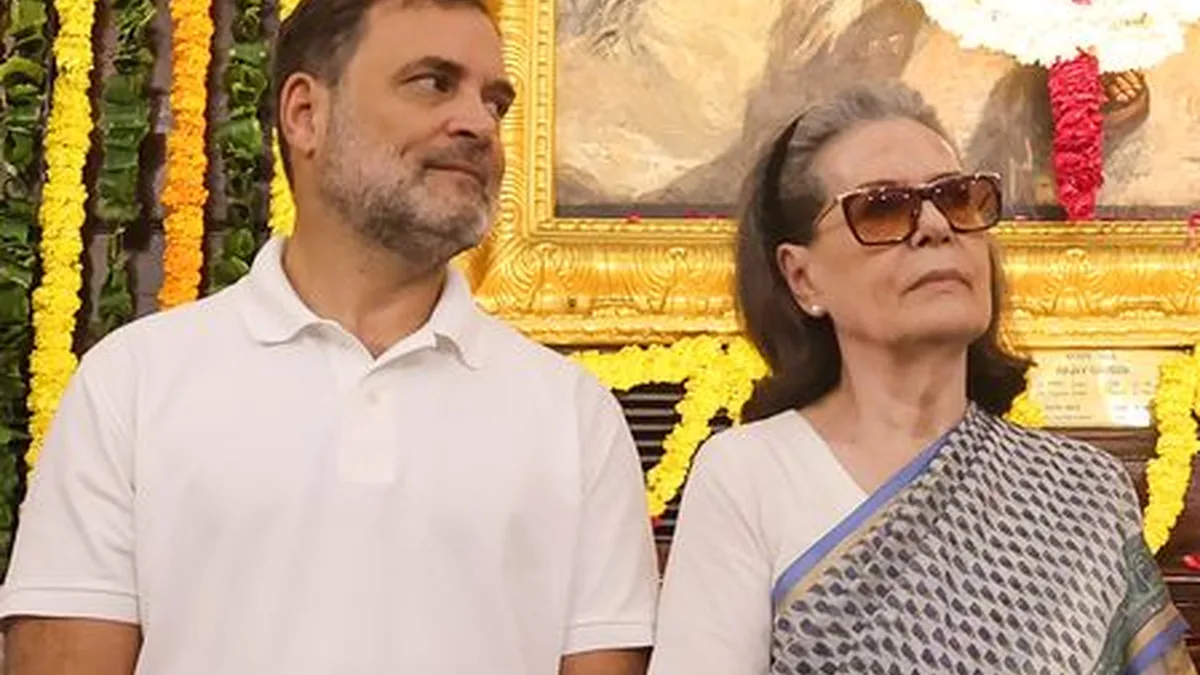
Sonia Gandhi recently articulated her perspective on the Congress party's electoral struggles since 2014, attributing them to an unlevel playing field. From New Delhi, the veteran leader asserted that the Bharatiya Janata Party (BJP) maintains a complete "stranglehold" over key institutions, particularly the Election Commission. She further alleged that the mainstream media operates under control, and that the ruling party leverages financial power and exploits religious sentiments.
While a mother's natural instinct often leads to defending her child, these statements from Sonia Gandhi emerge against a backdrop of the Congress party's consistent electoral decline over the past three decades. Her own tenure as party president began in 1998, several years after the tragic assassination of Rajiv Gandhi in Tamil Nadu on May 21, 1991. Since then, the party has largely seen a downward trend, with one significant exception.
That exception occurred in 2009, when the Congress secured 206 of the 543 Lok Sabha seats, marking an impressive gain of 61 seats over its 2004 performance. The party's vote share climbed to 28.55 per cent, translating to 11,91,11,019 votes. In contrast, the 2004 general elections saw Congress win 145 seats with a 26.53 per cent vote share (10,34,08,949 votes), while the BJP secured 138. The Congress, alongside its allies, then formed the UPA government at the Centre, supported externally by the Left Front, Samajwadi Party, and Bahujan Samaj Party. Sonia Gandhi chaired the UPA, with Manmohan Singh as Prime Minister.
Rahul Gandhi embarked on his active political journey in 2004, successfully contesting and winning his debut Lok Sabha election from Amethi, Uttar Pradesh. Though he held no ministerial role, his influence within the party steadily grew. He became the party's General Secretary in September 2007, taking charge of the
Image: mangalorean.com
📰 Source: Mangalorean News