

Forest officials recovered the body of a sub‑adult tiger on Friday in the Teteliguri sector of Kaziranga National Park and Tiger Reserve, Assam. The carcass, estimated to be about two days old, was located in the Kohora Range.
A senior forest officer explained that Director Sonali Ghosh of KNPTR set up a committee to carry out a post‑mortem and to dispose of the remains according to the Standard Operating Procedure of the National Tiger Conservation Authority. Early results indicate that injuries from a fight with another animal caused the tiger’s death, a pattern seen in several previous tiger carcass recoveries within the reserve.
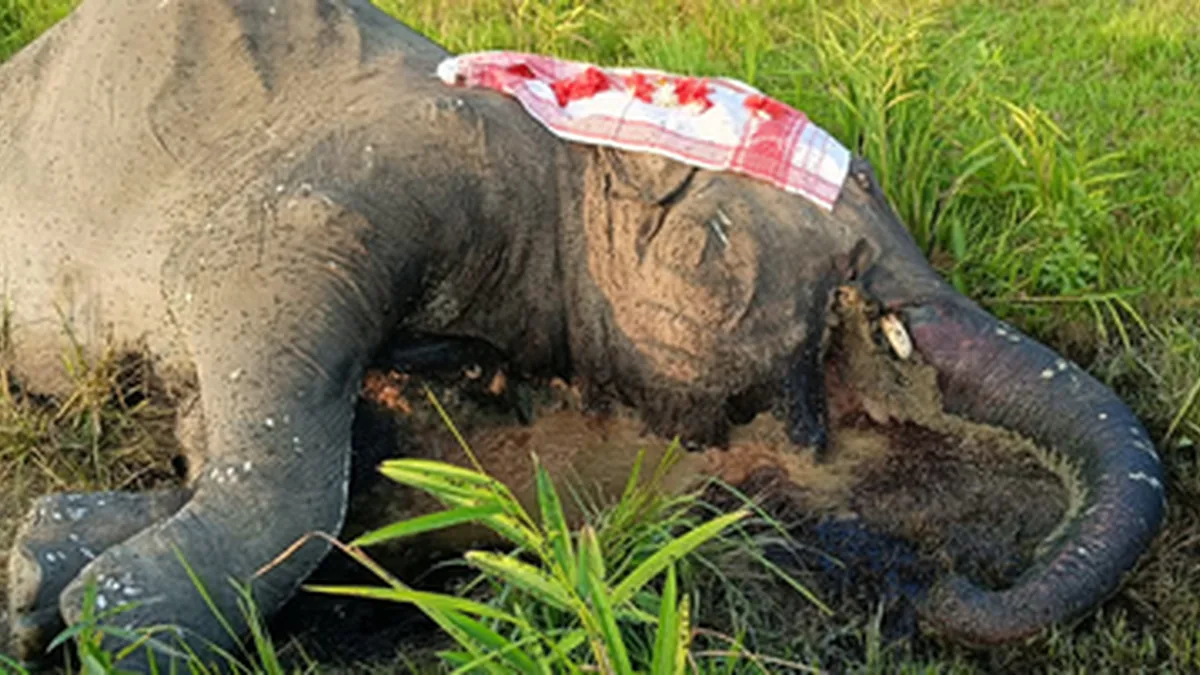
In a separate incident, a departmental elephant called Krishna died on Thursday evening inside the Western Range of Bagori, also part of KNPTR. The female had been battling long‑term health problems and had lost her vision. Veterinarians from Kaziranga National Park and the Centre for Wildlife Rehabilitation and Conservation performed a post‑mortem on Friday, concluding that Krishna succumbed to hepato‑renal failure linked to old age.
Kaziranga, recognised as India's seventh UNESCO World Heritage Site, continues to host the nation's celebrated Big Five species. The latest figures record 2,613 greater one‑horned rhinoceroses (2022 census), 104 Bengal tigers (2022 census), an estimated 1,228 Asian elephants (2024 estimate), 2,565 wild water buffaloes (2022 census) and 1,129 eastern swamp deer (2022 census). Revenue from the park rose to more than Rs 10.90 crore in 2024‑25, up from Rs 8.81 crore the previous year. The reserve spans three forest divisions: Eastern Assam Wildlife Division (Bokakhat), Biswanath Wildlife Division (Biswanath Chariali) and Nagaon Wildlife Division (Nagaon).
Image: mangalorean.com
📰 Source: Mangalorean News