

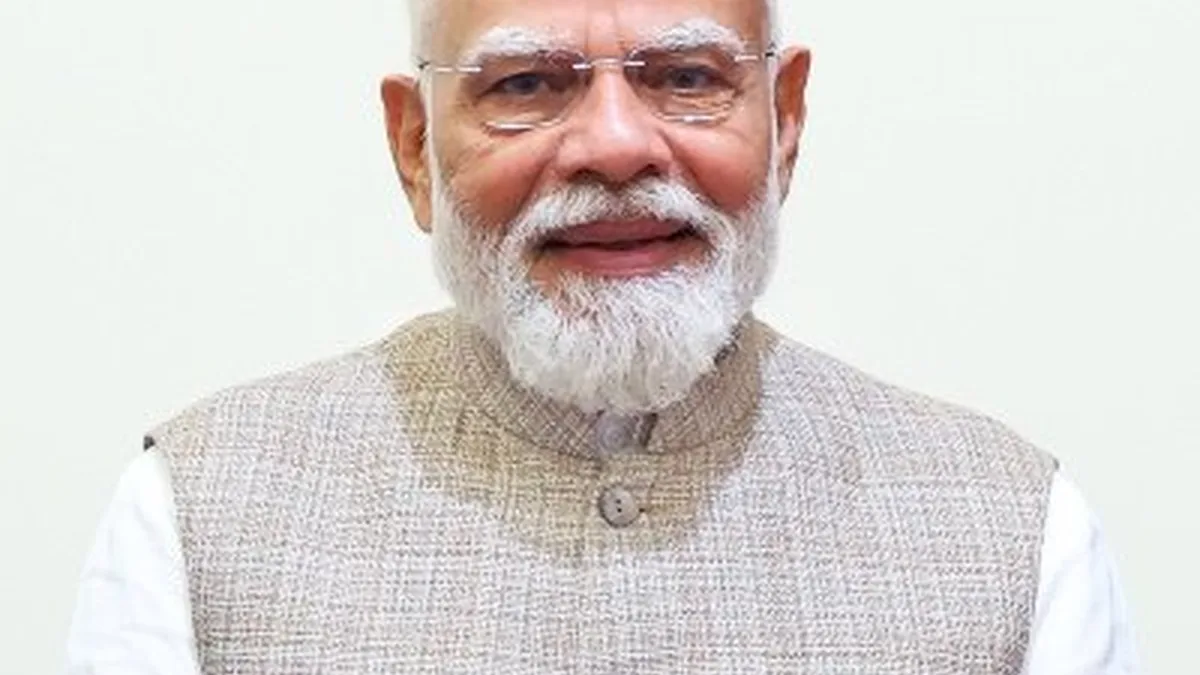
Prime Minister Narendra Modi told delegates at the Bharat Renewable Energy Summit and Expo in New Delhi on Monday, November 2, that India will aim to install an additional 500 GW of non‑fossil power capacity within the next 10‑11 years.
He highlighted that the country has already reached nearly 300 GW of installed non‑fossil capacity and is firmly on track to meet the 500 GW target by 2030. More than half of India's total power generation now comes from renewable sources, a milestone achieved five years earlier than the deadline set under its Paris climate commitments.
Modi projected that the clean‑energy sector could generate investment opportunities exceeding Rs 20 lakh crore (about USD 220 billion) by the end of the decade. Over the past ten years, the sector has attracted more than Rs 15 lakh crore, with around Rs 6 lakh crore flowing in during the two years following the 2024 RE‑INVEST Summit.
The Prime Minister linked energy security directly to economic stability, noting that recent global disruptions, including the West Asia conflict, underscored the risks of continued reliance on imported fossil fuels. He argued that renewable sources provide a more geographically dispersed and resilient supply base.
Inviting investors to tap into India's stable policy environment, Modi urged the nation to connect every government building, school, college, hospital and street‑lighting system to solar power. He called for the development of indigenous battery storage solutions to complement expanding generation capacity.
In addition to solar and wind, the government is accelerating the National Green Hydrogen Mission, targeting an annual production capacity of 50 lakh tonnes. The second phase of the Green Energy Corridor, backed by a Rs 2 lakh crore outlay, will strengthen inter‑state transmission lines to evacuate the growing renewable output.
Image: Wikipedia — Narendra Modi
📰 Source: Siasat Gulf