

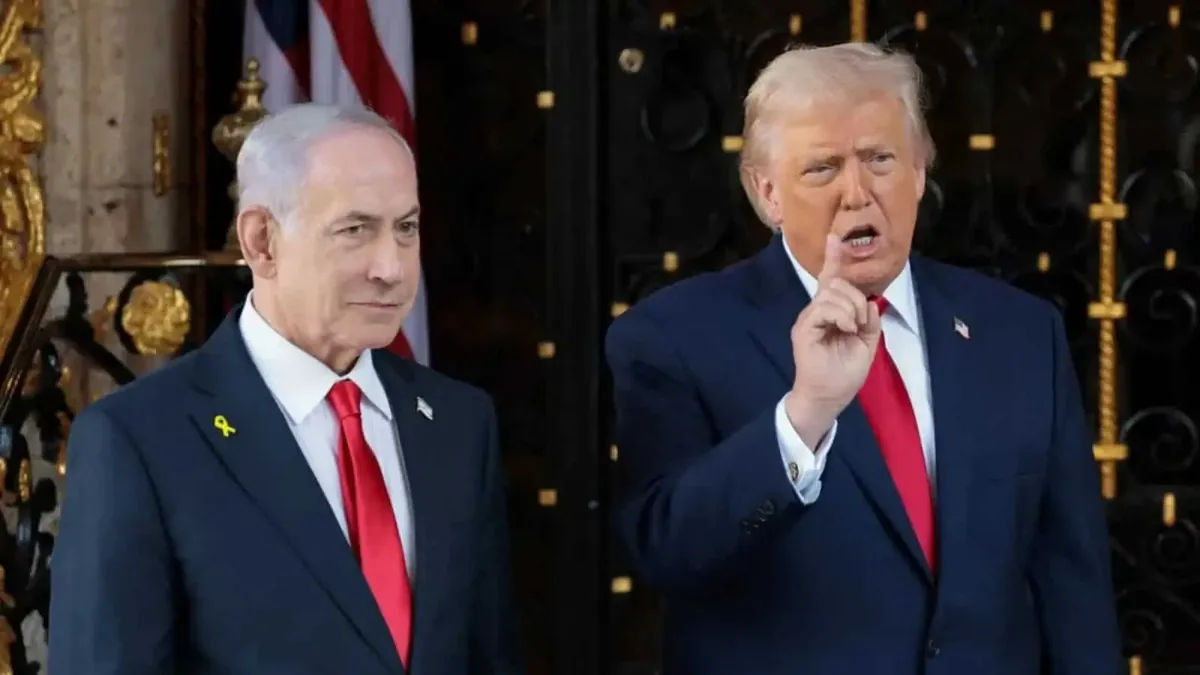
On Monday, November 2, 2026, conservative commentator Tucker Carlson posted on X that the Trump administration could be only days away from ordering a nuclear attack on Iran, a move he says is being driven by Israeli Prime Minister Benjamin Netanyahu.
Carlson identified a site called Pickaxe Mountain in central Iran as the likely target. He cited Israeli intelligence claims that Tehran has resumed nuclear enrichment at an underground complex beneath the mountain, which he described as protected by roughly 300 feet of solid granite. According to Carlson, conventional weapons would be unable to breach that depth, leaving a nuclear strike as the sole viable option.
The commentator linked Netanyahu's push to domestic political pressures. After recent elections, the Israeli leader is said to need the support of President Donald Trump to secure the 61 seats required for a governing majority in the Knesset, lest he face investigations and possible imprisonment.
Carlson further alleged that Netanyahu has been lobbying senior U.S. officials, including Defence Secretary Pete Hegseth, CENTCOM commander Brad Cooper, Secretary of State Marco Rubio and CIA Director John Ratcliffe, to revive large‑scale military action rather than pursue diplomatic talks. He also claimed that former President Barack Obama opposed a peace proposal being drafted in Doha and that Netanyahu travelled to Abu Dhabi on September 27 seeking Emirati backing, which was reportedly declined.
Escalation, Carlson warned, could trigger severe economic and environmental fallout. He noted that five supertankers were badly damaged in the Strait of Hormuz on October 11, heightening risks to global oil and fertiliser markets. A ground‑level nuclear blast at Pickaxe Mountain, he said, might spread radioactive fallout into the Persian Gulf, threatening the drinking water of roughly 100 million people and pushing the world economy toward depression.
The claims, sourced from Reuters imagery of the Pickaxe Mountain tunnel entrance, have sparked debate over the plausibility of a U.S. nuclear option and the broader implications for regional stability.
Image: siasat.com
📰 Source: Siasat Gulf