

On Sunday, the 417th edition of Mysuru Dasara – Karnataka's famed 11‑day Nada Habba – was formally launched by Abhinava Gavisiddeshwara Swamiji of the Gavisiddeshwara Math, Koppal, at the historic Chamundi Hills.
The seer commenced the celebrations by presenting fresh flowers to the idol of Goddess Chamundeshwari during the auspicious Dhanur Lagna, while Vedic chants resonated across the hilltop. Chief Minister D.K. Shivakumar, his wife Usha, several ministers, legislators and senior officials witnessed the ceremony.
In his address, Shivakumar portrayed Dasara as a blend of strength, knowledge, culture and equality, asserting that each virtue leads to progress, harmony and peace. He emphasized that the festival transcends religious rituals, embodying Karnataka's cultural identity, unity and self‑respect, and offering visitors a window into India's heritage over the next eleven days.
The chief minister traced Dasara's evolution from a royal spectacle of the Vijayanagara Empire to a people's festival under the Mysuru Wadiyars. He highlighted the revival of the historic buffalo race – Kambala – despite recent criticism, noting its role in preserving ancient customs.
Shivakumar also praised the state's traditional art forms that thrive during the festivities, including Dollu Kunitha, Tamate, Nagari, Veeragase, Kolata and Yakshagana, providing a platform for thousands of performers, traders and tourists alike.
Referencing Nalwadi Krishnaraja Wadiyar's contribution to the Brand Mysuru, he listed iconic products such as Mysuru silk, Mysore Sandal Soap, Mysuru paintings, Mysore Pak and the Kannambadi dam, underscoring the city's enduring cultural capital. The government, he added, remains committed to social equity through schemes like Gruha Lakshmi, which grants Rs 2,000 to eligible women.
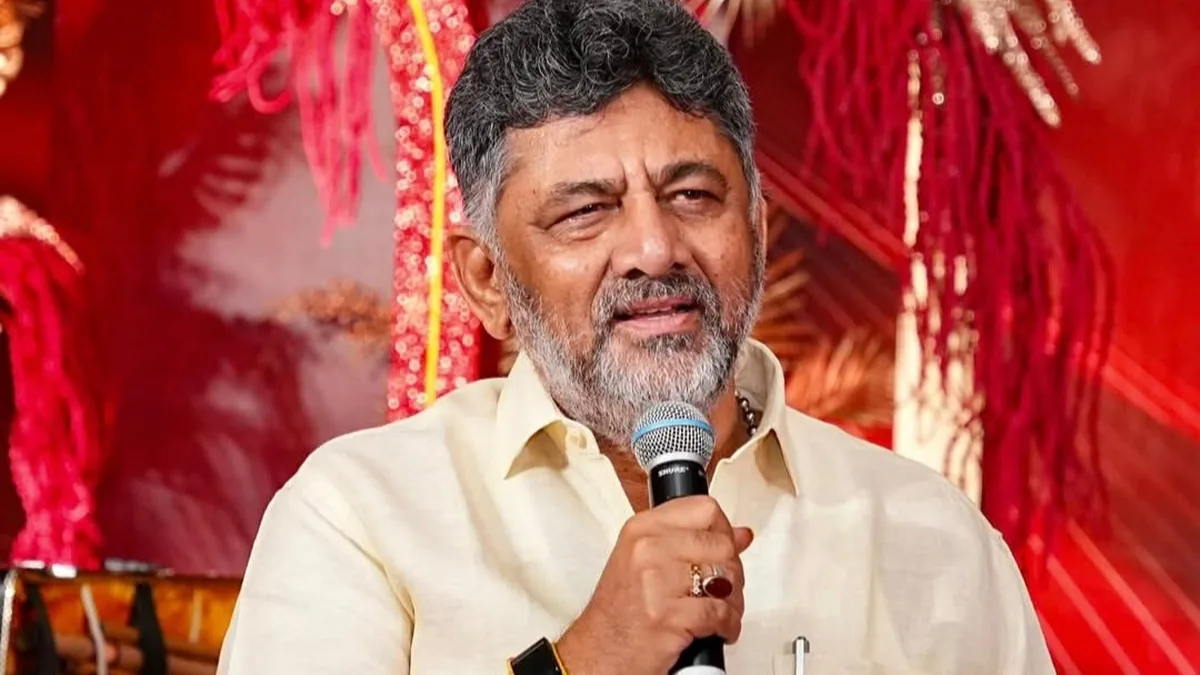
Image: Wikipedia — D. K. Shivakumar
📰 Source: Mangalorean News