

CARACAS — For Jan Carlos Roa Garcia and his family, each morning after the dual earthquakes brings a harsher reality. The former police officer, now 50, stands outside his condemned building in Caracas with tears streaming down his face. “If I was 30 and not 50, then maybe. But I don't know where to begin. And so far, no-one in authority has contacted us.”
The twin tremors, which struck on 27 June 2026, have left a trail of devastation across Venezuela's capital and the coastal town of La Guaira. In the Chacao district, musician Zaira Castro voiced what many feel. “We're all pretty frustrated because the government is not showing what it should — a serious display of help,” she said. “It's actually us, the Venezuelans, who are helping each other.”
Interim President Delcy Rodriguez faced an angry crowd during a tour of Chacao. One resident shouted, “You're campaigning in the middle of a tragedy! The government isn't doing anything for the people.”
Rescue crews continue around-the-clock work at the collapsed Petunia building in Los Palos Grandes, where trapped residents remain under rubble. A social media post from a friend revealed her mother was among the missing. Nearby, the Alheli building stood intact. Its caretaker, Pedro, sat with elderly residents on the porch, one of whom twisted her ankle while fleeing. All agreed they had never witnessed such devastation in Venezuela.
In La Guaira, the situation is apocalyptic. More than 100 buildings have been flattened. “There are still people in there, we need machinery,” pleaded resident Eileen Lada. “Help us, please.”
Venezuelan and international rescue teams have shown remarkable resilience, pulling survivors from debris with typical Venezuelan spirit. Social media videos of these rescues bring a lump to the throat. But as hope fades, anger grows.
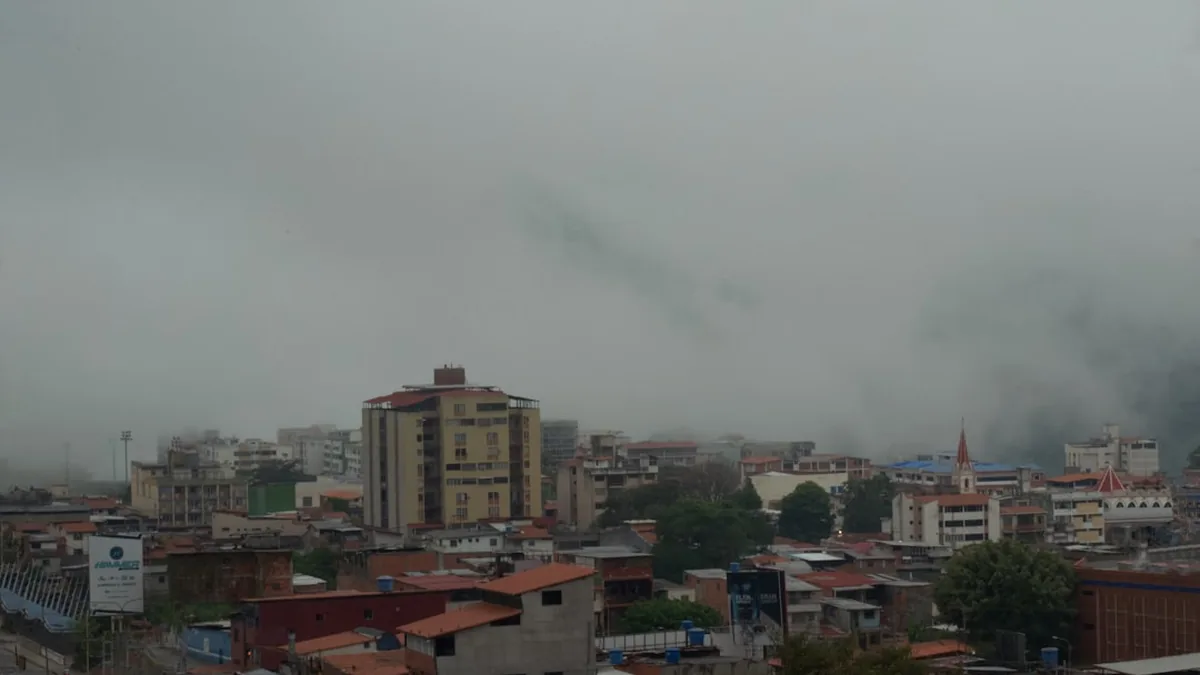
Image for illustration purposes only
📰 Source: BBC World