

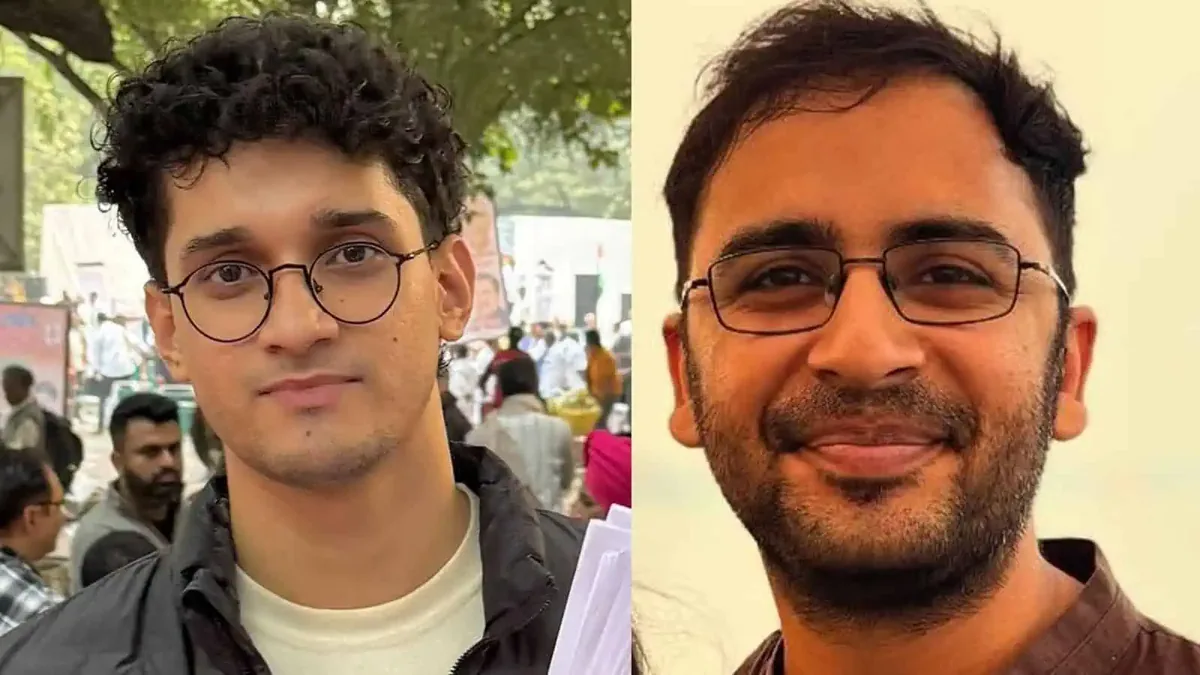
On October 19, 2026, Abhijeet Dipke, founder of the Cockroach Janta Party (CJP), drew public attention to a stark contrast in two legal outcomes: the Allahabad High Court put a stay on a murder convict’s sentence, while the court extended the judicial custody of CJP co‑convenors Ashutosh Ranka and Saurav Das by two days.
The high court suspended the conviction and life term of Nandlal Rai alias Babloo Rai, who was found guilty in a 2017 murder case. Rai expressed a wish to contest the 2027 Uttar Pradesh Assembly elections either as an independent or on a Bharatiya Janata Party (BJP) ticket. The bench observed that a common man’s right to livelihood is no less important than a politician’s right to run for office, and therefore ordered a stay until the final verdict on his pending appeal.
Dipke shared screenshots on X of two news items – one reporting the stay, the other announcing the custody extension for Ranka and Das. He reminded followers that the duo’s first offence involved waving the national flag at Jantar Mantar, and their second was simply refusing to retreat. After five days behind bars they appeared in court smiling, their resolve apparently intact.
According to Dipke, Ashu once held a high‑paying corporate position in London, earning millions, while Saurav was a well‑known writer on the country’s legal system. Both surrendered lucrative careers and financial security in what Dipke described as a self‑less effort to improve the nation.
CJP legal head Ratna Singh labelled the proceedings before the special executive magistrate’s court as “absurd” and likened them to a circus. She called for the court’s abolition, alleging that the law is being misused to keep Ranka detained.
The juxtaposition of a political aspirant receiving judicial relief and activist leaders facing continued incarceration underscores the uneven application of legal remedies in India today.
Image: siasat.com
📰 Source: Siasat Gulf