GCC Reports Over 7,000 Iranian Missile and Drone Strikes on Gulf States, Calls for UN Action
The Gulf Cooperation Council (GCC) has reported over 7,000 missile and drone attacks by Iran against its member states since February 28, 2026. Jasem Mohamed Albudaiwi, the GCC Secretary-General, delivered this stark assessment to the United Nations Security Council (UNSC) at its New York headquarters on Friday, November 13, 2026, calling for immediate action against Tehran.
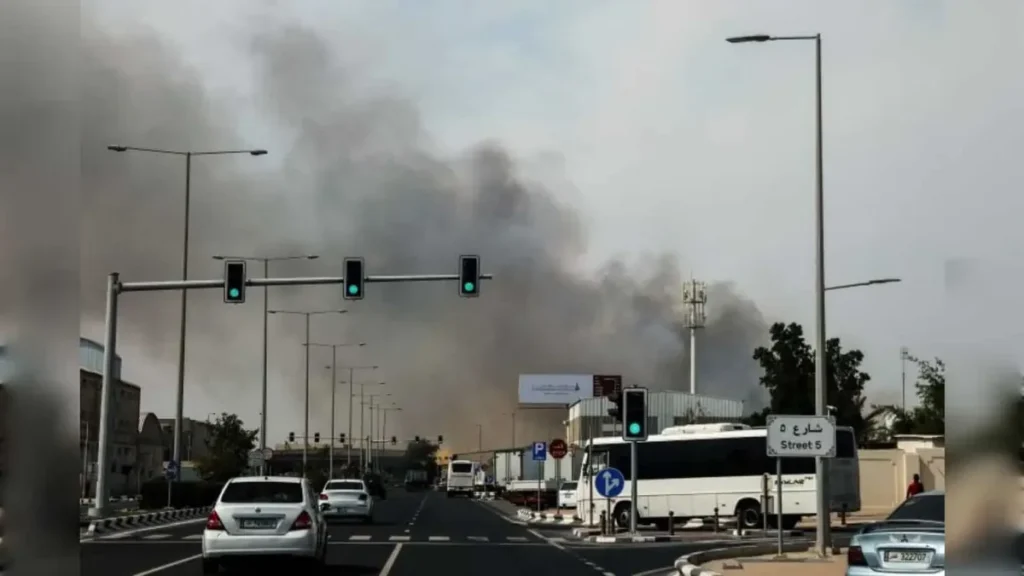
Albudaiwi detailed a relentless campaign targeting critical civilian infrastructure across the Arabian Gulf. Airports, ports, energy facilities, electricity grids, and water desalination plants have all been hit, alongside residential areas. These strikes have inflicted extensive damage, caused casualties, and led to significant environmental consequences. The GCC chief unequivocally held Iran responsible, asserting that the bloc would not tolerate violations of its members' sovereignty or territorial integrity, despite prior diplomatic efforts to de-escalate tensions.
His briefing also underscored the GCC's solidarity with Saudi Arabia in the face of attacks by the Iran-backed Houthi militia. Albudaiwi welcomed UNSC Resolution 2837, which condemned the militia's military escalation in Yemen, its assaults on Saudi Arabia, and threats to commercial shipping. He demanded an unconditional halt to these attacks, including those on civilians, and advocated for enforcing the arms embargo against the Houthi militia, along with accountability for those involved.
The regional instability extends to vital shipping lanes. Albudaiwi warned that assaults on commercial vessels and oil/gas tankers in the Strait of Hormuz, coupled with Houthi aggression in the Red Sea, directly imperil international trade and global energy supplies. He cited the 1982 UN Convention on the Law of the Sea and UNSC Resolutions 2722 (2024) and 552 (1984), stressing the imperative of unimpeded transit passage. Disruptions to maritime commerce, he cautioned, have already impacted global supply chains, affecting food, essential commodities, and fertilizers, potentially exacerbating inflation and famine risks in vulnerable nations.
Beyond these immediate threats, the GCC Secretary-General reaffirmed the bloc's consistent positions on broader regional issues. This included unwavering support for an independent Palestinian state with East Jerusalem as its capital, based on the June 4, 1967 borders, and calls for an end to Israeli occupation. He also reiterated support for Lebanon's sovereignty, aligning with UNSC Resolution 1701, and emphasized the need to preserve Syria's unity and sovereignty.
Image: siasat.com
📰 Source: Siasat Gulf