

On Oct 15, 2024, senior officials told CNN that the United States military has drafted contingency plans to hit Iranian energy and nuclear sites, potentially employing the GBU-43/B Massive Ordnance Air Blast, commonly called the mother of all bombs. The plan, prepared for President Donald Trump's approval, lists Pickaxe Mountain – a suspected nuclear component storage location – among the primary targets.
The MOAB weighs about 21,600 pounds (9.8 tonnes) and detonates in the air, generating a blast that can cover roughly nine city blocks. While its wide‑area effect could damage surface installations, analysts familiar with the scheme doubt its ability to destroy deeply buried facilities shielded by granite layers at Pickaxe Mountain.
Military planners have outlined several strike options as diplomatic talks stall after more than six months of conflict. Some officials argue that additional attacks may not meet Washington’s strategic goals, and that the bomb’s psychological impact on Tehran might fall short of delivering a decisive outcome.
Potential civilian harm also figures into the calculations, given the proximity of Iran’s energy infrastructure to populated zones. The United States is simultaneously preparing for possible Iranian retaliation should the president authorize renewed bombing.
President Trump has signaled a reluctance to launch new strikes before the Nov 3 midterm elections, yet the Pentagon continues to refine operational scenarios to fulfill any presidential or defence‑secretary directive. The last combat use of the MOAB occurred in 2017 against an Islamic State tunnel complex in Afghanistan, where officials reported 36 militants killed and no civilian casualties.
A White House spokesperson declined to comment on the sensitivity of the plans, stating that President Trump keeps all options on the table to prevent Iran from acquiring a nuclear weapon. Iranian officials reiterate that Tehran will pursue its demands through military means, negotiations and regional leverage, including the removal of U.S. sanctions and the naval blockade.
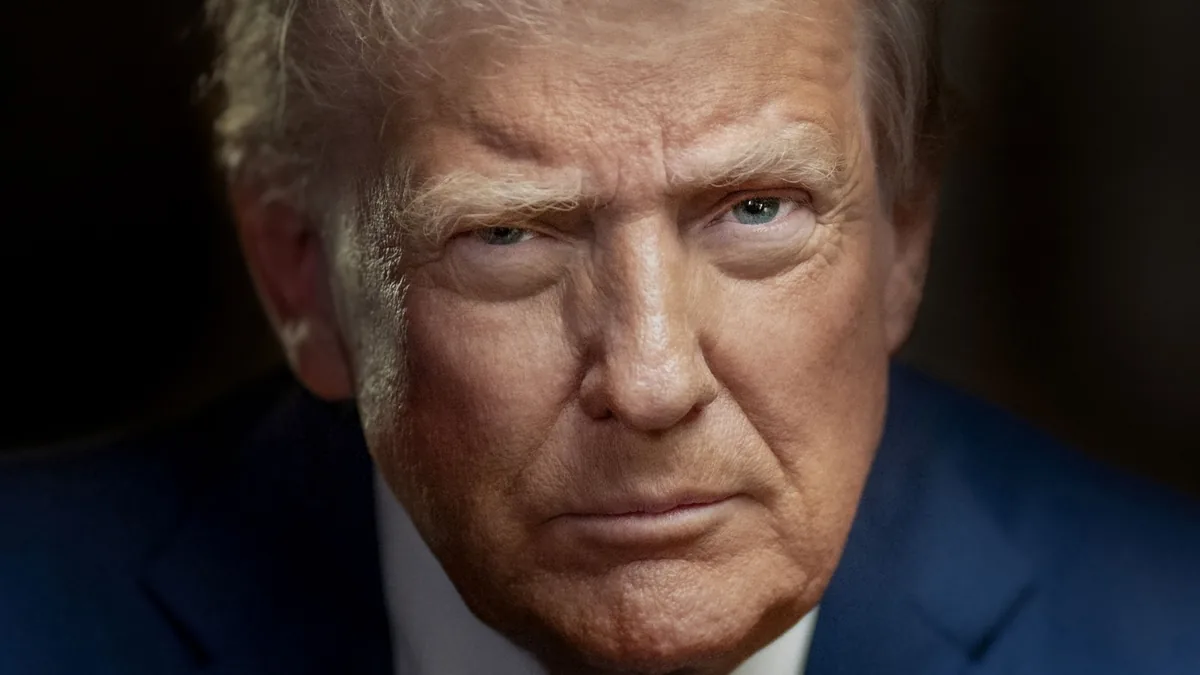
Image: Wikipedia — Donald Trump
📰 Source: Siasat Gulf