

New Delhi, 20 September 2026 – The phrase “naaraz fufaji”, a colloquial label for the grumpy uncle who questions every family decision, has moved from kitchen tables to parliamentary debates, drawing attention from Delhi to Washington.
While every Indian household recognises the character – the relative who arrives at gatherings, inspects the décor, asks why a dish is missing and reminds others that his own wedding was superior – the two words have recently acquired a distinct political flavour.
Prime Minister Narendra Modi invoked the term during a talk with students at the centenary celebration of Shri Ram College of Commerce, mocking those who constantly challenge new government initiatives. A few days later in Vadodara, while outlining development projects exceeding Rs 35,000 crore and the progress of the Dedicated Freight Corridor, Modi repeated the expression, contrasting the current administration's speed with the slower pace under the previous Congress‑led UPA.
Social media responded instantly, spawning memes, short videos and reels. The nickname quickly attached itself to opposition leaders, most notably Rahul Gandhi of the Congress, who found himself repeatedly described as a “naaraz fufaji”. Akhilesh Yadav of the Samajwadi Party also fell under the same label.
During the recent BRICS Summit in New Delhi, the pattern resurfaced. After a lavish vegetarian gala dinner showcasing regional cuisines, Gandhi criticised the menu, pointing out that 80 per cent of Indians consume non‑vegetarian food. Yadav echoed the sentiment, arguing that grand international events could not mask domestic governance gaps or replace genuine democratic accountability.
Whether these criticisms constitute fair scrutiny is a matter for the public to decide. What is clear is that the “naaraz fufaji” has become a versatile shorthand in Indian political discourse, allowing leaders to flag dissent without naming individuals directly.
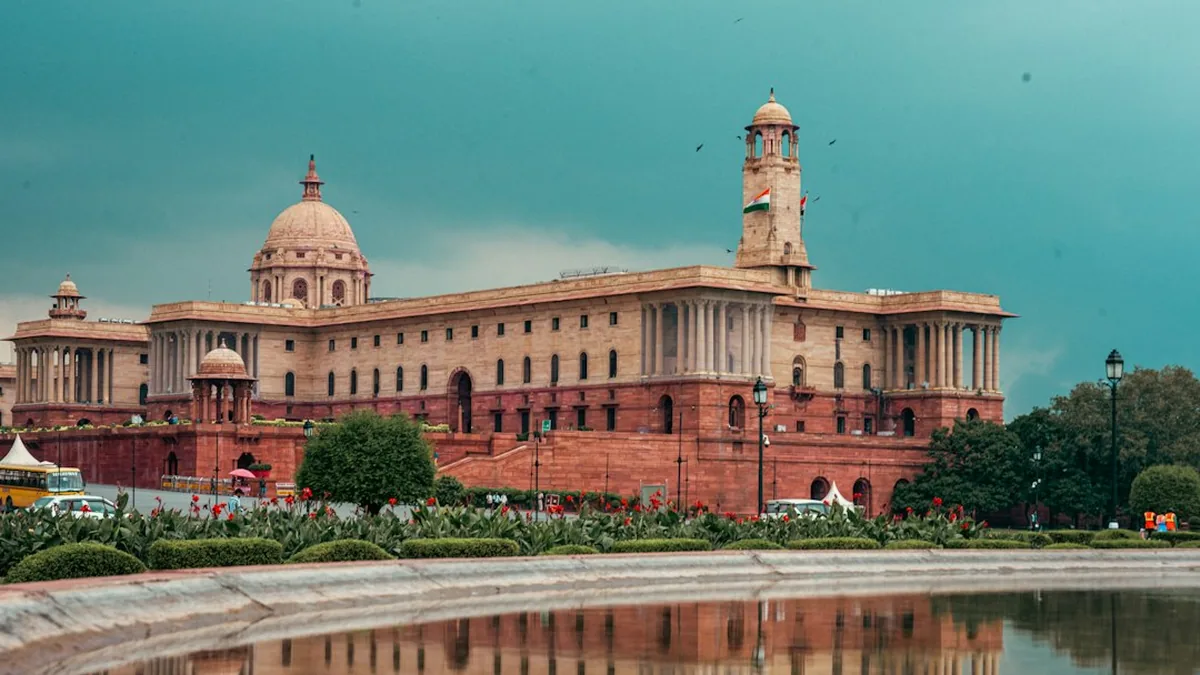
Image for illustration purposes only
📰 Source: Mangalorean News