Syed Abdurrahim Irshad: Remembering a Coastal Literary Icon 30 Years On
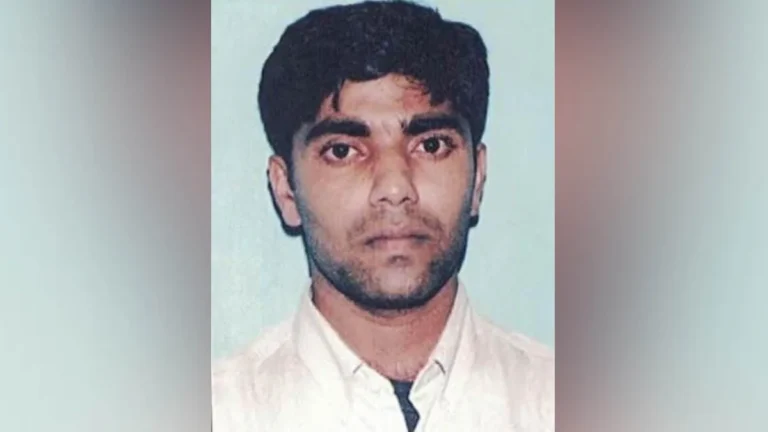
Today, November 28, 2026, marks three decades since the passing of Janab Syed Abdurrahim Irshad Saheb, a revered poet and journalist from coastal Karnataka. His profound influence on Navayath literature endures, with his nazms and prose continuing to resonate across generations, keeping the community's cultural flame vibrant. AFTAB HUSAIN KOLA offers this reflection on Irshad's lasting legacy.
Born on May 15, 1931, in Bhatkal, Irshad showed an early calling to the written word. His education spanned institutions in Palakkad, Calicut (St Joseph's European Boys' High School), and Mangaluru (St Aloysius PU College). In Mumbai, he honed his craft, earning certificates in journalism, advertising, and printing from Bharatiya Vidya Bhavan's Rajendra Prasad Institute, and in travel and tourism from Radio Bhuvan.
Irshad's journalistic career began with his own publications in Mangaluru: "Audience," an English club newsletter, and Urdu magazines "Tanzeem" and "Sagar." In Mumbai, he launched "The Message," an English newsletter. His versatile voice also featured in columns for ALPHA, Bharatiya Vidya Bhavan's in-house newsletter, and national publications like TIDE, March of the Nation, Inquilab, and Hindustan, enriching Indian journalism.
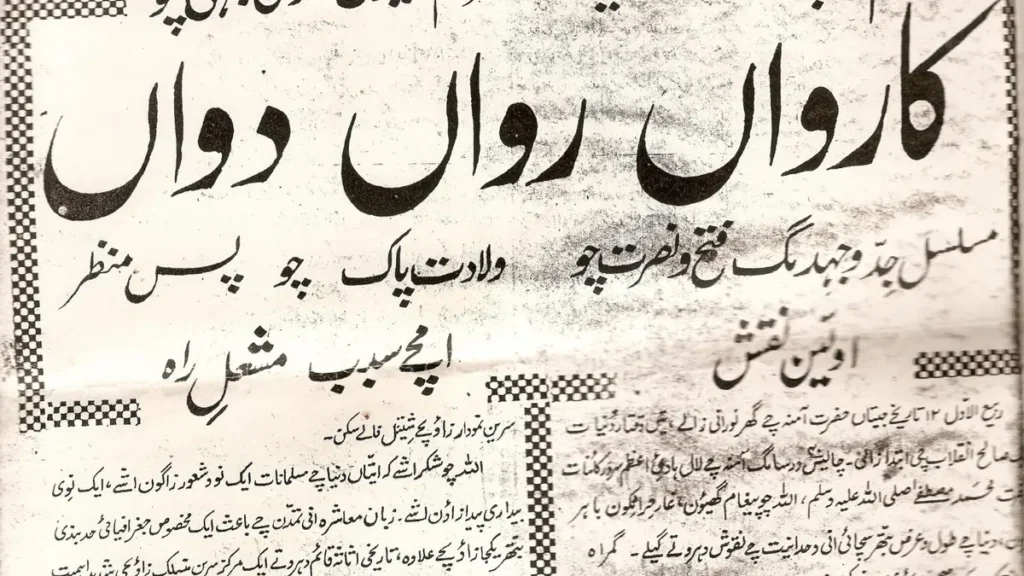
A true luminary, Irshad wrote seamlessly across Navayathi, Urdu, English, Hindi, and Konkani. In 1976, he gifted the Navayath community "Naqshe-Nawayath," a pioneering Navayathi language publication. This journal became a crucial cultural mirror, preserving Navayath identity. Fifty years on, Moulana Abdul Aleem Qasmi, a co-founder, ensures its continued readership. Irshad's poetic works, including "Latan" and "Bhatkalchi Sarzameem Pala Tumka Apavtha," vividly captured bygone eras and celebrated his community's spirit. His Navayath geets, like "Yaagey Sayyanu Pang Bahar Padlo," tenderly depicted everyday life, customs, and the cherished marriage procession.
Irshad's commanding voice and powerful verses captivated audiences at mushairas and Konkani sammelans. His significant contributions to journalism were recognized in 1995 with the Karnataka Konkani Sahitya Academy award. Today, his legacy continues to inspire, a testament to a life dedicated to language, culture, and community.
Image: sahilonline.org
📰 Source: Sahil Online